
OVERCHESS Pocket Dimensions & Open World
Nineteen thousand blocks, nested boards, and how to travel without losing the pawn’s plot.
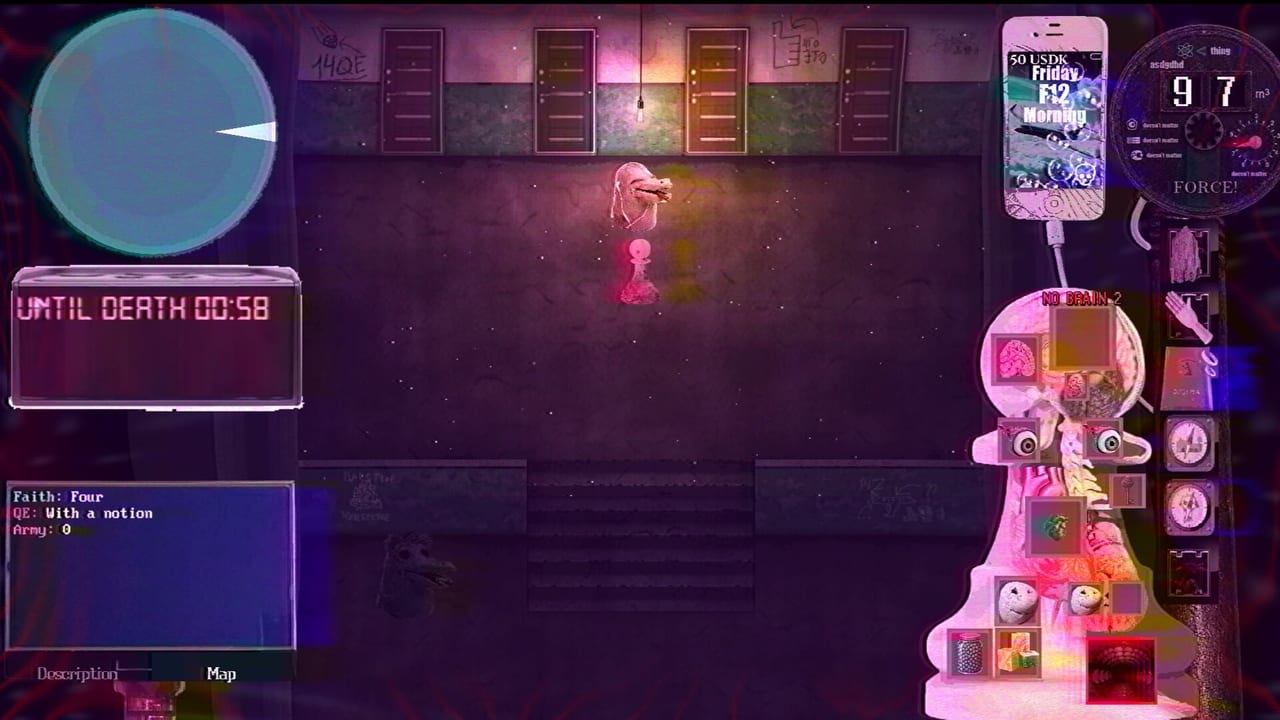
OVERCHESS sells itself as excessive, infinite, multidimensional chess with pocket dimensions. That is not flavor text to skip — it is the world model. This guide explains how to think about the open world, the pawn’s ambition to pass 19,000 blocks, and the pocket dimension concept that turns a chessboard into nested space. It is written for demo explorers and for players preparing for the 2026 full release from ktotakops.
Cross-link partners: How to Play for the loop, Build an Army for who travels with you, Demo guide for what you can test now, Getting Started for wishlist basics, and the Guides Hub for the full map.
Open world, but make it chess
Most open worlds use forests, cities, and mountains. OVERCHESS uses boards as geography. Squares imply distance. Pieces imply inhabitants. The horizon is not a skybox cliché so much as another rank you have not walked yet. Tags players apply on Steam — open world, sandbox, grid-based movement, surreal — all point at the same idea: exploration is positional.
Practical consequences:
- Empty space is information. A quiet file might be safety, bait, or a corridor toward a pocket mouth.
- Encounters are landmarks. Crocodiles, diseased zones, and social hazards are terrain as much as enemies.
- Your army changes travel math. A Road Convoy composition from Build an Army treats distance as the main resource sink.
The 19,000 blocks goal
Official copy states the pawn decided to pass 19,000 blocks and will do it. Read that number as:
- A north star — long-form motivation beyond a single skirmish.
- A satire of grind — absurd precision in a world that also kills you with quantum fluctuations.
- A pacing promise — the full game wants sprawl; the demo shows the texture of that sprawl without guaranteeing you finish the count.
How to use the number while playing
- Track personal bests for blocks traveled in a session instead of demanding the demo contain the entire marathon.
- Set fractional goals (500, 1,000, “until the next pocket”) so the fantasy stays motivating.
- Remember that unnecessary decisions and incurable diseases exist specifically to interrupt clean distance runs — see the horror layer in How to Play.
Do not invent leaderboard APIs or unreleased milestones. If Steam achievements in the demo reference distance, let the achievement text speak for itself.
What “pocket dimensions” means in practice
A pocket dimension is a contained board-space nested inside the larger journey. Multidimensional chess, in OVERCHESS marketing, means you should expect scale shifts, side boards, and spaces that do not obey the same horizon rules as the overworld file you just left.
Signs you may have entered one
While exact VFX differ by build, player notes should watch for:
- Abrupt changes in board scale or lighting language.
- Soft borders that feel like a sealed arena rather than an open rank.
- Rules of movement or encounter density that differ from the previous stretch.
- Exits that are puzzles, risks, or story gates rather than simple walks.
When any of those hit, stop sprinting. Re-orient the way the core loop demands: locate threats, locate exits, decide whether your current army belongs here.
Why pockets exist design-wise
- Variety without abandoning chess grammar.
- Difficulty spikes in controlled volumes.
- Narrative rooms for alcoholism, ludomania, disease, or predator set pieces.
- Sandbox toys — some pockets may be optional curios; others may gate progress.
Exploration doctrine
Before you push deeper
- Confirm roster health and morale-analogues.
- Note your overworld “breadcrumb” — how you would return if the pocket rejects you.
- Pick a pocket mission: loot/learn/recruit/escape — not all four at once.
Inside the pocket
- Favor information over greed on the first visit.
- Reclassify strangers with the friend / enemy / slave / worm lens.
- Accept that unfair outcomes can still teach topology.
After you exit
- Write one sentence: what rule changed inside?
- Rebalance the army; pocket specialists may be dead weight on open files.
- Decide whether that pocket is a farm, a story beat, or a never-again warning.
Multidimensional thinking without drowning
Players get lost when they treat every dimension as equally important. Use a simple stack:
- Overworld march toward the block goal.
- Active pocket (zero or one serious dive at a time).
- Memory of sealed pockets you may revisit later.
That stack keeps sandbox freedom from becoming save-file chaos. It also matches the single-player nature of the game — there is no multiplayer partner holding a second map marker for you.
Hazards that travel with geography
Alcoholism, ludomania, diseases, alligators, and crocodiles are listed as path-to-glory problems. On an open multidimensional map they function like biomes and weather:
- Some regions may pressure addiction satire harder.
- Wetland-coded boards may favor predator encounters.
- Disease risk may spike in crowded pockets.
Your job is not to memorize a fake heat map from this wiki. Your job is to observe, note, and adapt composition and route — the same discipline How to Play teaches for mixed genre decisions.
Audio and atmosphere as navigation aids
ktotakops leans on striking audiovisual identity. Music shifts and visual excess are not only vibes; they can signal that you crossed a dimensional seam. Keep audio on when you are learning new regions. Community channels on Discord and X (@OVERCHESSNOST) often discuss memorable spaces — just avoid unmarked spoilers when you ask for help.
Demo versus full release expectations
The Demo guide already stressed that app 5606670 is a slice. Pocket dimensions in the demo teach the grammar of nested boards. The full 2026 app 4615580 is where the 19,000-block ambition can breathe at marketed scale. Do not grade the demo as a failure if it refuses to contain the entire marathon.
Linking space to army and agency
Space without a roster plan wastes encounters. Roster without spatial literacy wastes units. Agency without a north star wastes sessions. The triad is intentional:
- Agency primer: How to Play
- Roster primer: Build an Army
- Onboarding: Getting Started
Closing map note
You are a pawn counting blocks across worlds that fold into themselves. Pocket dimensions are how OVERCHESS keeps chess grammar while stealing open-world wonder and horror-room intensity. March when the file is clear. Dive when the seam calls. Leave when the joke turns lethal. Then march again.
When you need a different systems page, climb back to the Guides Hub — and keep the Steam store page bookmarked for official changes as 2026 approaches.
Frequently Asked Questions
Quick answers about OVERCHESS, the demo, and this wiki.
What are pocket dimensions in OVERCHESS?
They are nested board-spaces inside the larger open-world march — contained multidimensional chess volumes with their own tension and exits.
What does the 19,000 blocks goal mean?
It is the pawn’s long-distance ambition from official copy: a north star for exploration, satire of grind, and a promise of sprawl in the full game.
Does the demo include the entire open world?
Treat the demo as a grammar lesson for travel and pockets, not a guarantee of the complete 19k-block campaign.
How do I avoid getting lost across dimensions?
Keep a simple stack: overworld march, one active pocket, and notes on sealed pockets. Re-orient every time topology changes.
Should I bring my full army into every pocket?
Not automatically. Re-evaluate composition after each spatial shift; specialists for one pocket can be liabilities on the next file.