
OVERCHESS Hazards Guide
Alcoholism, ludomania, disease, predators, bad decisions, and quantum unfairness on the path to glory.
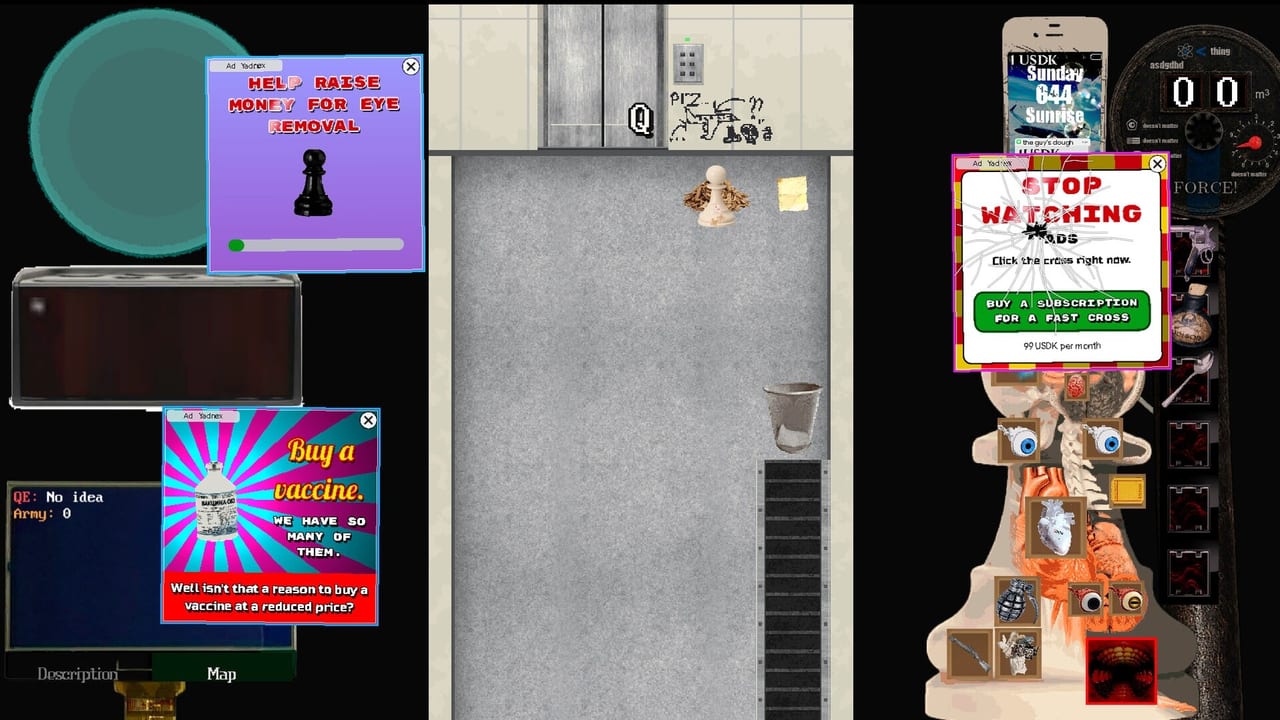
OVERCHESS is not a polite tournament clock. Official Steam copy from ktotakops frames the pawn’s path to glory as a gauntlet of alcoholism, alligators, ludomania, diseases, crocodiles, and the special joke of dying anyway from a random quantum fluctuation after you carefully avoided incurable disease and unnecessary decisions. This Hazards Guide turns that marketing list into a practical survival lens for the free demo (Steam app 5606670) and for the full 2026 single-player release (app 4615580).
Use it alongside How to Play for the core loop, Build an Army for who walks with you, Pocket Dimensions for nested boards, and Nineteen Thousand Blocks for the distance fantasy that makes these threats matter. Onboarding lives in Getting Started; install checklists live in the Demo guide. Browse everything from the Guides Hub.
Mature content note (Steam)
Steam’s content note for OVERCHESS states that the game contains stylized, non-realistic violence involving chess pieces, plus depictions of alcohol use and gambling. Read that as tone, not as a promise of photoreal gore. The wiki treats alcoholism and ludomania as named systems and satire called out by the developer — not as medical advice, and not as an invitation to invent graphic mechanics Steam never described. If addiction themes are a hard limit for you, sample the demo carefully and leave if the tone is wrong for your table.
Why hazards are geography, not just enemies
In a normal chess app, the only “hazard” is hanging a piece. In OVERCHESS, the open world turns threats into terrain.
- A quiet file can still be diseased.
- A funny tavern beat can be alcoholism pressure.
- A gambling set piece can be ludomania wearing a joke costume.
- Wetland-coded boards can mean crocodiles or alligators.
- A “safe” pocket can still end in quantum nonsense.
That mix is why the game tags lean strategy, adventure, open world, sandbox, horror, and satire at once. Treat each hazard family as a route modifier that should change army composition, pace, and whether you push toward the next block milestone.
Alcoholism — social hazard with teeth
Official materials name alcoholism as something you meet on the path to glory. Do not invent blood-alcohol meters this wiki has never seen. Do treat the theme as:
- A narrative pressure that can derail clean marches.
- A recruitment / relationship complication — friends, enemies, slaves, and worms may not react the same way when the pawn (or the party) leans into the joke.
- A pacing trap — sessions that spiral into bar-bit comedy can burn the hour you meant to spend on distance or army upgrades.
Practical habits
- Decide before a session whether you are hunting story flavor or hunting block count. Alcoholism bits often reward the former and punish the latter.
- If a scene feels like it is taxing morale-analogues or decision quality, leave the area the same way you would leave a bad fight.
- Log what triggered the beat. Pattern recognition beats rage-reloading.
Cross-check army readiness in Build an Army before you walk a drinking-coded landmark with a fragile convoy.
Ludomania — gambling as a systems joke
Ludomania (compulsive gambling) sits next to alcoholism in the short Steam pitch. In a game that already asks you to “test your luck,” that is intentional satire.
How to play around it without inventing casinos
- Assume some encounters will bait high-variance choices that feel like bets.
- Cap how many “one more roll / one more deal” decisions you take per session when you are trying to evaluate the demo fairly.
- Separate fun risk from run-ending greed. The store page already warns that careful play can still lose to quantum fluctuation — gambling pressure is how the design makes that warning feel personal.
If you are writing notes for friends, say whether ludomania moments felt optional side comedy or mandatory tax. That distinction matters more than fake odds tables.
Diseases and incurable diseases
Steam’s long description tells you to avoid incurable diseases — then immediately undercuts the fantasy by saying you may die from quantum fluctuation anyway. That double beat is the horror-comedy contract.
Working model for players
- Curable / avoidable disease language (when the build shows it) should change routing: crowded pockets, corpse-strewn files, and suspicious recruit dens are higher risk until you learn otherwise.
- Incurable is a tone word. Treat it as a permanent scar, a failed run seed, or a hard softlock warning — not as something this wiki will invent a potion tree for.
- Do not assume every green fog or mossy piece is disease. Observe, note, adapt. How to Play already stresses mixed-genre decision making; disease is that rule with a medical costume.
When a disease event ends a promising army, update your personal tier instincts against the Piece Tier List instead of blaming a single unit forever.
Crocodiles and alligators — predator geography
Short copy names alligators; long copy names crocodiles. This guide treats both as the predator wildlife layer of OVERCHESS: chess-piece violence that is stylized, not documentary.
Survival posture
- Expect wetland, river, or swamp-coded boards to spike predator density.
- Scout before committing the whole army into a choke.
- Prefer compositions that can disengage — Road Convoy thinking from Build an Army beats glass-cannon glory when teeth appear.
- Remember predators are also landmarks. Surviving one teaches map literacy for the Nineteen Thousand Blocks march.
Do not invent hit points, bite tables, or boss names. If the demo or full game labels a specific encounter, let that text override wiki metaphor.
Unnecessary decisions — the soft kill
“Avoid … unnecessary decisions” is one of the sharpest lines on the store page. In practice it means OVERCHESS will offer shiny choices that feel like agency but mainly exist to waste tempo, split the army, or feed addiction satire.
Decision hygiene
- Name your session goal in one sentence (blocks, recruit, pocket dive, vibe check).
- When a side offer appears, ask whether it serves that sentence.
- If the answer is “maybe funny,” take it only when you can afford the loss.
- If the answer is “main quest cosplay,” verify you still have an exit plan.
Unnecessary decisions pair viciously with pocket dimensions. A nested board that looks optional can still consume the hour you budgeted for open-world distance — see Pocket Dimensions.
Random quantum fluctuation — unfairness as feature
The punchline hazard is random quantum fluctuation: the game openly sells the idea that careful avoidance can still fail. That is not a bug report template. It is a design confession that OVERCHESS wants unfair comedy inside strategy adventure.
Healthy player response
- Treat quantum deaths as variance samples, especially in the demo.
- Keep short-session goals so a fluctuation does not erase an entire evening’s mood.
- Use the event as a reason to re-roll composition or route, not as proof the genre “isn’t for you” after one spike.
- When you post feedback to ktotakops channels, describe what you were doing and what you expected — skip fake patch demands.
Timeline and store changes belong on News & Timeline, not in invented hotfix fiction on this page.
Hazard stack: how threats combine
Real runs rarely present one hazard in isolation. A common stack looks like:
- Open-world fatigue while chasing blocks.
- A social beat that smells like alcoholism or ludomania.
- A diseased corridor shortcut.
- A predator ambush on the “safe” exit.
- A quantum punchline after you did everything “right.”
Your counter-stack should be boring and strong:
- Clear session goal.
- Army matched to terrain, not to ego.
- One pocket dive at a time.
- Written notes after deaths.
- Willingness to abort.
That discipline is what lets satire stay funny instead of becoming a tilt machine.
Demo versus full release expectations
The Demo guide is clear: app 5606670 teaches grammar. App 4615580 in 2026 is where long-form hazard density can breathe. Do not grade the demo a failure if it only samples alcoholism jokes, one predator beat, or a single disease scare. Conversely, do not assume every full-release hazard is already present in the slice you downloaded tonight.
Wishlist the full game from the Steam store page while the tone is fresh. Community pointers live through Getting Started and official socials linked elsewhere on the wiki.
Linking hazards to the rest of the wiki
| If you need… | Go here |
|---|---|
| Core loop and agency | How to Play |
| Roster answers to threats | Build an Army |
| Nested boards and exits | Pocket Dimensions |
| Distance fantasy and pacing | Nineteen Thousand Blocks |
| Install and first session | Demo guide |
| Wishlist and pitch | Getting Started |
| Relative piece value notes | Piece Tier List |
| Official timeline posts | News & Timeline |
| Full guide index | Guides Hub |
Closing survival note
You are a pawn in a single-player, not-always-fair chess world. Alcoholism and ludomania will try to steal your tempo. Diseases will try to steal your future. Crocodiles and alligators will try to steal your army. Unnecessary decisions will try to steal your plan. Quantum fluctuation will try to steal the moral of the story. The joke is that glory still asks you to march. Learn the hazards, write them down, adapt the roster, and keep moving — carefully, absurdly, and on purpose.
Frequently Asked Questions
Quick answers about OVERCHESS, the demo, and this wiki.
What hazards does OVERCHESS officially name?
Steam materials call out alcoholism, ludomania, diseases (including incurable diseases), crocodiles/alligators, unnecessary decisions, and death by random quantum fluctuation on the path to glory.
Does OVERCHESS include mature content?
Yes. Steam notes stylized non-realistic violence involving chess pieces, plus depictions of alcohol use and gambling. Treat those as tone warnings, not medical or gambling advice.
Are crocodiles and alligators the same threat?
Short and long Steam copy use both words. Practically, treat them as the predator wildlife layer — stylized chess-piece danger tied to dangerous geography.
Can careful play prevent every death?
Official copy jokes that you can avoid disease and bad decisions and still die to random quantum fluctuation. Plan for unfair variance, especially in the demo.
Where should I go after reading hazards?
Pair this page with How to Play, Build an Army, Pocket Dimensions, and Nineteen Thousand Blocks, then return to the Guides Hub for the full map.